
Australia-DIY Retaining Wall vs Professional Installation: Which Option Saves More Money?
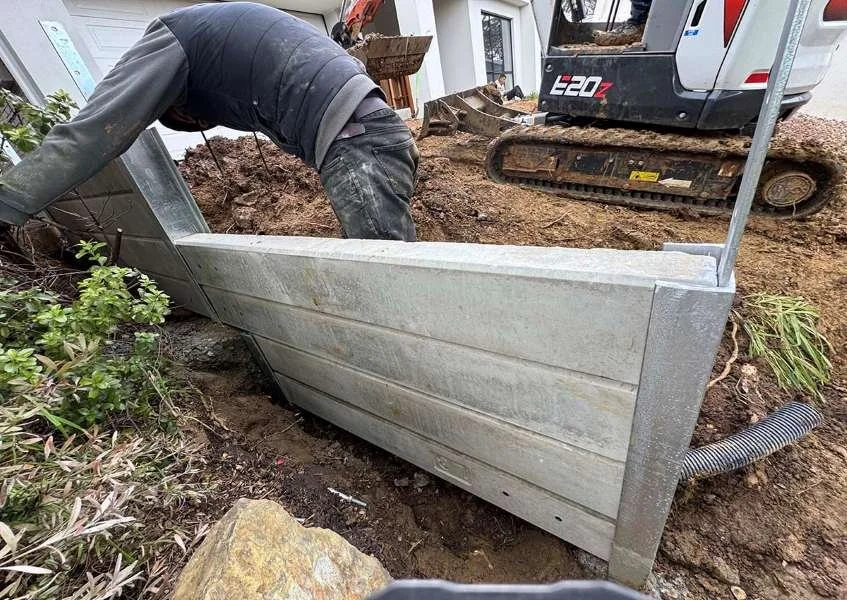
DIY Retaining Wall vs Professional Installation: Which Option Is Right for Your Adelaide Property?
Building a retaining wall can completely transform your outdoor space. Whether you're trying to create a level backyard, prevent soil erosion, or improve drainage, a retaining wall is often the best solution.
Many homeowners ask the same question before starting a project:
Should I build a retaining wall myself or hire a professional retaining wall contractor?
While a DIY retaining wall may appear cheaper initially, there are several factors to consider before making a decision. In this guide, we'll compare DIY retaining wall construction with professional installation to help Adelaide homeowners choose the right option.
Why Retaining Walls Are Important
Retaining walls do far more than improve appearance. They provide critical structural support by holding back soil and preventing ground movement.
A properly designed retaining wall can:
Prevent soil erosion
Improve drainage
Create usable outdoor areas
Support fencing installations
Increase property value
Improve landscape design
Without proper construction, retaining walls can fail prematurely, resulting in expensive repairs.
DIY Retaining Wall Installation
Many homeowners consider building their own retaining wall to reduce costs.
For smaller garden walls, DIY installation can be a practical option.
Benefits of DIY Retaining Walls
Lower Upfront Costs
The main reason homeowners choose DIY is to save on labour costs.
Flexible Schedule
You can complete the project at your own pace without relying on contractor availability.
Personal Satisfaction
Many people enjoy completing landscaping projects themselves.
Challenges of DIY Retaining Walls
Excavation Requirements
Proper retaining wall construction starts with excavation and foundation preparation.
Without the correct equipment, this process can be time-consuming and physically demanding.
Drainage Mistakes
Poor drainage is one of the most common reasons retaining walls fail.
Water pressure behind the wall can lead to cracking, leaning, or complete collapse.
Structural Concerns
Retaining walls must be designed to withstand significant soil pressure.
Incorrect post spacing, footing depth, or material selection can compromise long-term stability.
Council and Engineering Requirements
Depending on wall height and location, council approval or engineering may be required.
Failure to comply can create legal and financial issues later.

Professional Retaining Wall Installation
Professional retaining wall contractors understand local soil conditions, drainage requirements, and engineering standards.
A professionally installed retaining wall is designed for long-term performance and safety.
Benefits of Professional Installation
Correct Site Assessment
Professionals assess:
Soil type
Slope conditions
Drainage requirements
Access limitations
Structural considerations
This ensures the wall is designed correctly from the beginning.
Proper Drainage Systems
Professional installers incorporate drainage solutions that help prevent future wall failure.
These often include:
Agricultural drains
Drainage gravel
Geotextile fabric
Water diversion systems
Faster Construction
Experienced teams complete retaining wall projects efficiently using specialised equipment and proven installation methods.
Long-Term Durability
Quality materials and professional workmanship often result in retaining walls that last decades with minimal maintenance.
Cost Comparison: DIY vs Professional Retaining Walls
Many homeowners focus solely on installation costs.
However, the real comparison should include:
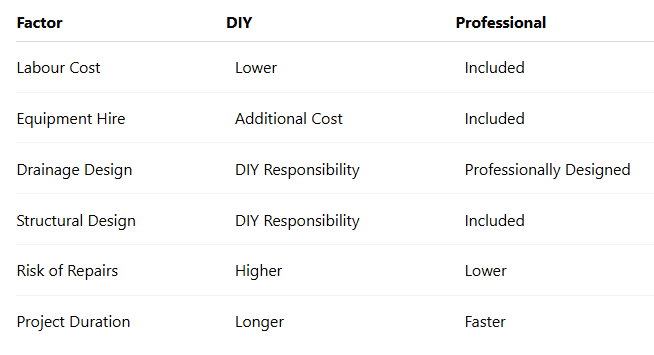
While DIY projects may reduce initial expenses, mistakes can significantly increase overall costs.
Common DIY Retaining Wall Mistakes
Inadequate Foundations
A weak foundation can cause movement and settlement over time.
Poor Drainage
Without proper drainage, water pressure can damage even the strongest retaining walls.
Incorrect Material Selection
Not every retaining wall material suits every property.
The wrong choice may lead to premature deterioration.
Ignoring Soil Conditions
Different soil types require different construction approaches.
Professional assessment helps prevent future problems.
Best Retaining Wall Materials
Concrete Sleeper Retaining Walls
Concrete sleepers are one of the most durable retaining wall options available.
Benefits include:
Long lifespan
Low maintenance
Modern appearance
Excellent structural strength
Versaloc Block Retaining Walls
Versaloc blocks provide both structural performance and visual appeal.
They are ideal for:
Garden retaining walls
Feature landscaping
Terraced outdoor spaces
Timber Retaining Walls
Timber remains a cost-effective solution for smaller projects but generally has a shorter lifespan than concrete systems.
When Should You Hire a Professional?
Professional retaining wall installation is recommended when:
The wall exceeds local height limits
Engineering is required
Significant excavation is needed
Drainage is a concern
The wall supports fencing or structures
Long-term reliability is important
Why Adelaide Homeowners Choose Reltona Constructions
At Reltona Constructions, we specialise in retaining wall installation throughout Adelaide.
Our team delivers:
Concrete sleeper retaining walls
Versaloc block retaining walls
Retaining wall replacements
Drainage solutions
Professional installation
Every retaining wall is built with durability, safety, and long-term performance in mind.
Get a Free Retaining Wall Quote
Whether you're considering a DIY retaining wall or a fully installed solution, getting expert advice can save time and money.
Contact Reltona Constructions today for a free quote and discover the best retaining wall solution for your property.